Capital tooling purchases fail quietly. The PO gets cut, the design looks fine, the build ships — and then tryout drags for months because nobody defined what "done" meant, or the fixture arrives with no spares list, or the gauge that accepts the tool's output was never certified. Every one of those failures was preventable at the purchase-order stage. Here is the checklist worth running before you commit the budget.
1. Define Scope Like You Mean It
The single largest source of tooling disputes is scope ambiguity. Before the PO, the statement of work should pin down:
- Deliverables: the tool itself, design data (native CAD or neutral format?), dimensional reports, tryout parts, manuals, spares list.
- Part revision: which drawing revision the tool is built to — and who pays when engineering changes land mid-build.
- Rate and life: cycle time or throughput expectations, and expected tool life or maintenance interval.
- Interfaces: press bed, robot cell, machine table, utilities — with the actual dimensions, not "standard."
If a line item cannot be verified at acceptance, it is not scope; it is hope.
2. Build Design Reviews Into the Timeline
Two gates minimum: a concept review before detailed design starts (locating scheme, process assumptions, material selections) and a final design review before steel is ordered. Put them in the PO with named attendees from your side — manufacturing engineering and quality, not just purchasing. A design review that happens after the base plate is machined is a slideshow, not a gate.
3. Design + Build + Tryout Under One Roof vs. Split Awards
Splitting design and build across suppliers can look cheaper on paper. What the split actually buys you is a seam: when tryout stalls, the designer blames the builder's execution and the builder blames the design, and you own the schedule gap between them. A single supplier who designs, builds, and tries out the tool owns the outcome end to end — there is no seam to argue across. Split awards make sense mainly when you already own a validated design and are buying pure build capacity. If you do split, the PO must say explicitly who owns tryout convergence.
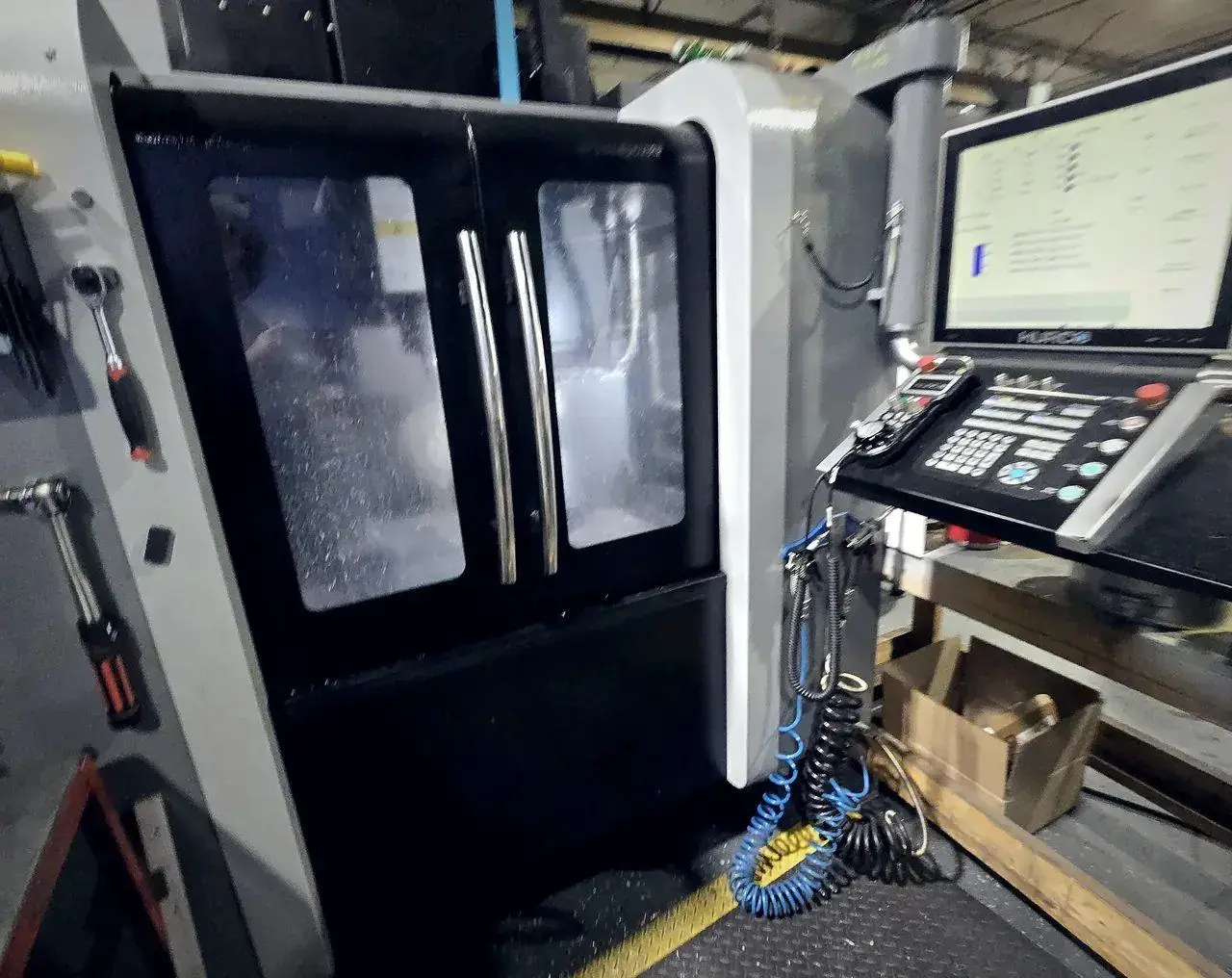
Dynamics Group runs tooling design and build together for exactly this reason, with machining capacity to 51 x 22 x 20 in milling and 14.96 in diameter turning, plus 5-axis work on a Hurco VM10UHSi swivel-head machining center — the complex tooling details stay in-house too. When you are ready to scope a specific tool, the tooling quote page is the fastest path to a design review.
4. Documentation and Gauge Certification
The tool is half the deliverable; proof is the other half. Require:
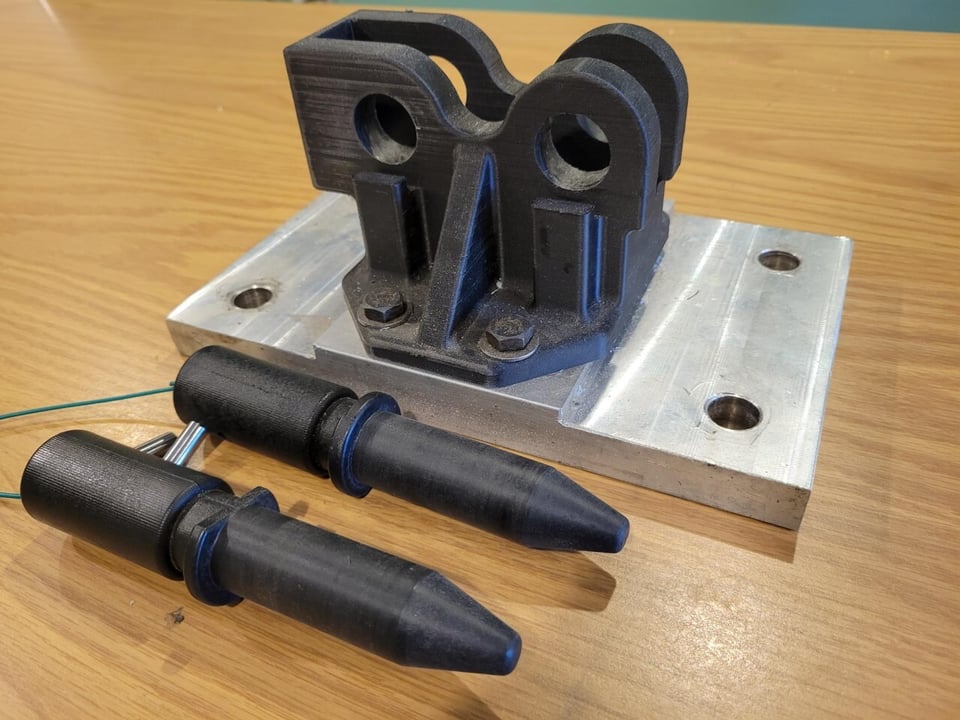
- Dimensional report of the tool — locator and detail positions verified by CMM, not "built to print" on a cover sheet.
- Certified gauges — any check fixture or gauge delivered with the tool needs its own calibration/certification data, traceable to the part datums. An uncertified gauge is an opinion.
- First-article results — parts produced by the tool, inspected against the part print.
- Design data transfer — in the format your team can actually maintain.
Purpose-built inspection gauges with certification data are what make the acceptance step objective instead of negotiable.
5. Spare Strategy
Wear details — pins, bushings, punches, rest pads, clamp tips — will fail on a schedule of their own choosing. Decide at PO time: which details are consumable, what the recommended spares package is, whether spares ship with the tool or on a lead time, and whether details are doweled so replacements drop in without re-qualification. Buying spares with the tool is cheap; buying them during a line-down event is not.
6. Acceptance Criteria in Writing
The PO should state exactly what triggers final payment: for example, dimensional report complete, N consecutive tryout parts within print tolerance, rate demonstrated, documentation package delivered. Tie the payment schedule to those gates — a deposit at award, a milestone at design approval, the balance at documented acceptance. Vague acceptance language converts directly into tryout months.
The Quick Version
| Checklist item | Question it answers |
|---|
| Scope definition | What exactly am I buying, at which part revision? |
| Design reviews | When do I get to say no cheaply? |
| Sourcing structure | Who owns tryout when it stalls? |
| Documentation & gauge certs | How is acceptance proven, not argued? |
| Spares | What happens at the first wear failure? |
| Acceptance criteria | What releases final payment? |
Specifying a fixture, gauge, or capital tool and want a supplier who owns design, build, and tryout end to end? Request a Quote and get a response within 24 hours.