
Functional test parts
Prototypes in the specified alloy so load, stiffness and wear behave the way the production part will.

Prototype CNC machining
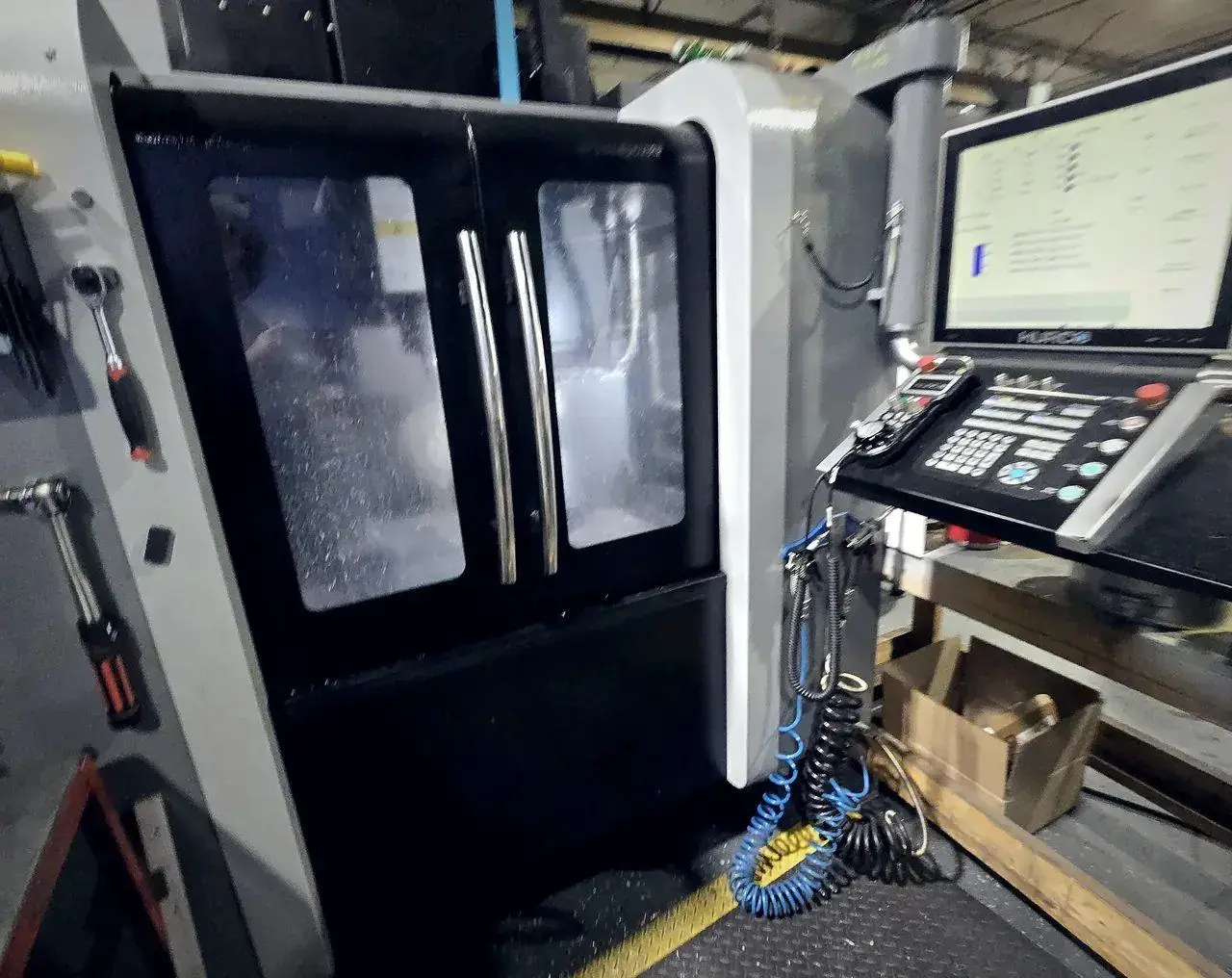
Dynamics Group machines prototypes from the production material, on the same machines that will run the production job — so what you learn on the prototype still applies when the part goes to volume.
Production material
Not a stand-in resin
Days
Typical validation-part turnaround
Same shop
Prototype through production
CMM
Critical features verified
Where we fit
Printing is faster and cheaper for checking shape, reach and ergonomics. Machining is the right call the moment the prototype has to carry load, hold a tolerance, seal, wear, or survive a real test cycle — because material properties and process are the things being validated.
Prototypes in the specified alloy so load, stiffness and wear behave the way the production part will.
Critical features machined and measured to the drawing, not approximated, before the design is frozen.
Mating parts and assemblies machined together so stack-up is proven physically rather than in CAD.
Low-rate parts to cover a launch while production tooling is still being built.
Proof before promise
How a quote starts
01
A drawing, model, marked-up photo, layout or statement of work is enough to begin.
02
Quantity, timing, critical features and acceptance requirements keep the quote focused.
03
We identify risk, missing data and the best process before committing your schedule.
Buyer questions
Design-validation parts can ship in days depending on geometry, material availability and current shop load. Send the model and the date you need it and you will get a realistic answer, not an optimistic one.
Print when you are checking shape, reach, access or ergonomics. Machine when the part has to hold a tolerance, carry load, seal or wear — those depend on the real material and process.
Yes. A model is enough to start the manufacturability review, but material, critical features and acceptance requirements should be documented before a production release.
Yes. That is the point of prototyping here — fixtures, inspection plans and process decisions stay with the part instead of being rebuilt at a new supplier.
Send what you have. We will tell you where we fit, what is missing and the fastest practical next step.