Skip to content
Michigan CNC Machining for Agricultural Equipment at Dynamics Group

Agricultural equipment manufacturing

Michigan CNC Machining for Agricultural Equipment

Dynamics Group provides Michigan-based CNC machining, fabrication, engineering, tooling, and dimensional inspection for agricultural equipment manufacturers and their suppliers. Our Madison Heights team supports prototype components, low-volume machined parts, production tooling, fixtures, gages, and replacement-part requirements from one accountable source.

Practical support

Practical support for demanding equipment programs

Agricultural equipment components operate in environments where durability, serviceability, and dependable supply matter. A machining partner must understand more than the nominal geometry. Material choice, wear surfaces, mating features, weldments, repair access, and inspection requirements all affect whether the part performs in the field and repeats in production.

Dynamics Group works from customer drawings, models, samples, and functional requirements to plan a manufacturable path. When a legacy component lacks usable data, reverse engineering and 3D scanning can help establish geometry before machining and verification.

Capabilities

Capabilities for agricultural-equipment work

  • CNC milling and turning for prototypes and low-volume components
  • Machining of steel, aluminum, and other specified materials
  • Fabricated and finish-machined weldments
  • Workholding, checking fixtures, assembly tools, and gages
  • Reverse engineering and 3D scanning for obsolete or unavailable parts
  • Additive manufacturing for fit checks, concepts, and tooling aids
  • Manual CMM and dimensional inspection
  • Engineering support for manufacturability, setup planning, and revisions

Component and tooling applications

Dynamics Group can evaluate requirements for brackets, housings, plates, shafts, mounts, wear components, machine bases, fabricated assemblies, service parts, workholding, inspection fixtures, and production-support tooling. Final process selection depends on the drawing, material, tolerance, quantity, inspection plan, and delivery requirement.
From prototype through repeat releases

Prototype success is only useful when the manufacturing process can be repeated. Dynamics Group reviews datum strategy, setup count, workholding, critical features, and inspection needs before production. For recurring low-volume work, controlled programs, fixtures, and inspection records help preserve the approved process between releases.

Inspection aligned to the requirement

Critical dimensions and acceptance criteria should be agreed on before machining begins. Dynamics Group offers manual CMM and conventional dimensional inspection. Customers should specify required reporting, sampling, traceability, and first-article expectations with the request for quote.

Why work with a Michigan supplier?

Local and regional sourcing can shorten communication loops, support faster review of physical samples or tooling, and simplify coordination when engineering changes occur. Dynamics Group's integrated machining, fabrication, engineering, and inspection capabilities reduce the number of supplier handoffs the customer must manage.

Request a review

Send the requirements that drive the process

Send the drawing or model, material, quantity, critical tolerances, inspection requirements, current revision, and requested delivery date. If the requirement is based on an obsolete or damaged part, include photographs and describe the component's function and known wear areas.

Frequently asked questions

Agricultural-equipment machining questions

Does Dynamics Group machine agricultural equipment parts in Michigan?

Dynamics Group can evaluate CNC-machined components, prototypes, tooling, fixtures, gages, weldments, and replacement-part requirements for agricultural-equipment programs from its Madison Heights, Michigan facility.

Can Dynamics Group reproduce an obsolete component?

Dynamics Group offers reverse engineering and 3D scanning to help establish geometry when usable drawings or models are unavailable. The customer should identify the component's function, mating interfaces, material requirements, and critical wear features.

Can inspection reports be provided?

Inspection reporting can be planned according to the drawing and customer requirement. Dynamics Group uses manual CMM and conventional inspection methods; report format, sampling, and traceability requirements should be defined before the job begins.

Does Dynamics Group support prototypes and low-volume production?

Yes. The team can evaluate prototype and recurring low-volume requirements, with process planning focused on revision control, setup repeatability, workholding, and inspection.

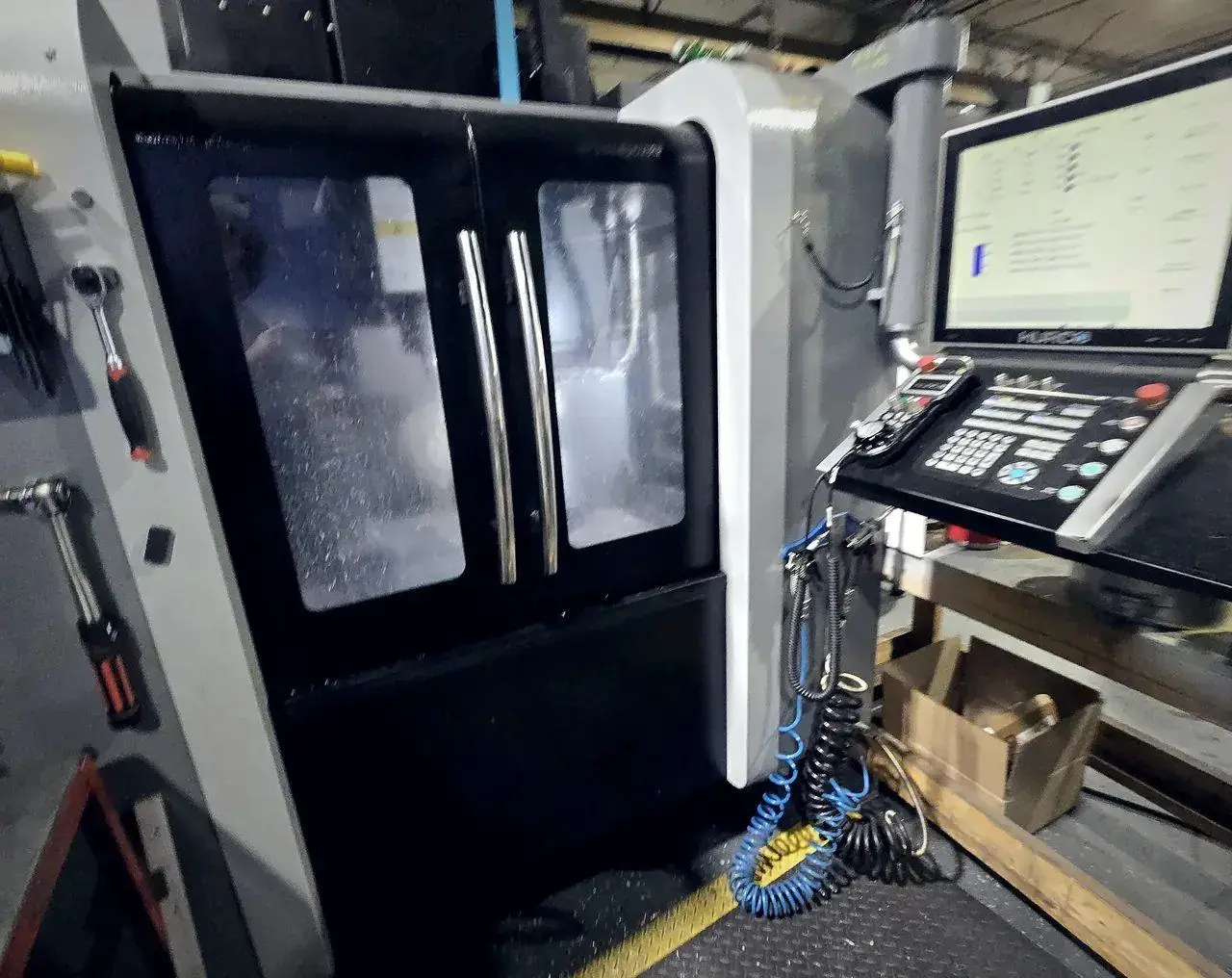
Five-axis CNC machining at Dynamics Group

Have an agricultural-equipment part, tool, or fixture to review?

Send the drawing, model, quantity, material, critical features, inspection requirements, and delivery target. We will tell you quickly whether Dynamics Group is the right fit.